Causes of cerebral palsy
Damage to the brain can occur at any point from early in the pregnancy, to months after a child is born. Although cerebral palsy is caused by a bleed to the brain or a lack of oxygen it is not a simple link. There are many factors that can cause a bleed to the brain or a lack of oxygen to the brain. Often it is not one thing but multiple factors that combine together and create the specific circumstances that then lead to a child having cerebral palsy.
Sometimes the cause of cerebral palsy remains unknown. It is not an inherited condition (although it may be influenced by genetics) and cannot be screened for in pregnancy.
As more is learnt about cerebral palsy we realise it is probably more accurate to talk about risk factors than causes of cerebral palsy.
Risk factors include
During pregnancy:
- Infections such as rubella, chicken pox, herpes, cytomegalovirus or toxoplasmosis
- Preterm birth (less than 37 weeks gestation) but especially before 28 weeks when the brain is more vulnerable to lower levels of oxygen and can bleed more easily. Although most children born early (preterm) do not develop cerebral palsy, it is the highest risk factor. Preterm birth is not in itself the cause, but it can be the sequence or combination of events that leads to a preterm birth; or your baby being unwell in the time after they are born
- Substance abuse
- Trauma to the baby during pregnancy
- The mother’s age being either under 20 or over 40 years
- Traumatic birth
- Twins or multiple births
After birth:
- Baby of low birth weight (less than 2.5 pounds)
- Severe jaundice in a newborn baby
- Infections affecting the baby in the period just after birth, such as meningitis or encephalitis
- Trauma in a child before the age of two e.g. head injury, stroke, near cot death or almost drowning
A combination of the above factors (such as a child with low birth weight getting an infection) can further increase the risk of cerebral palsy.
If you or your child fall into one or more of these categories above it does not mean that they have cerebral palsy. If you have concerns however please speak to your Health Visitor or GP or read more about our early intervention service, Better Start, Better Future and how you can access our services.
How we have helped in Wales
63
Family support appointments took place in 2025-26
226
Children from across Wales have been treated during 2025-26
677
The number of sessions of specialist therapy we delivered in 2025-26
Renley's story
As a family, we have found Cerebral Palsy Cymru so helpful. The sessions have been very educational, and the emotional support we have received has also been truly amazing.
- Told by Mum, Alys
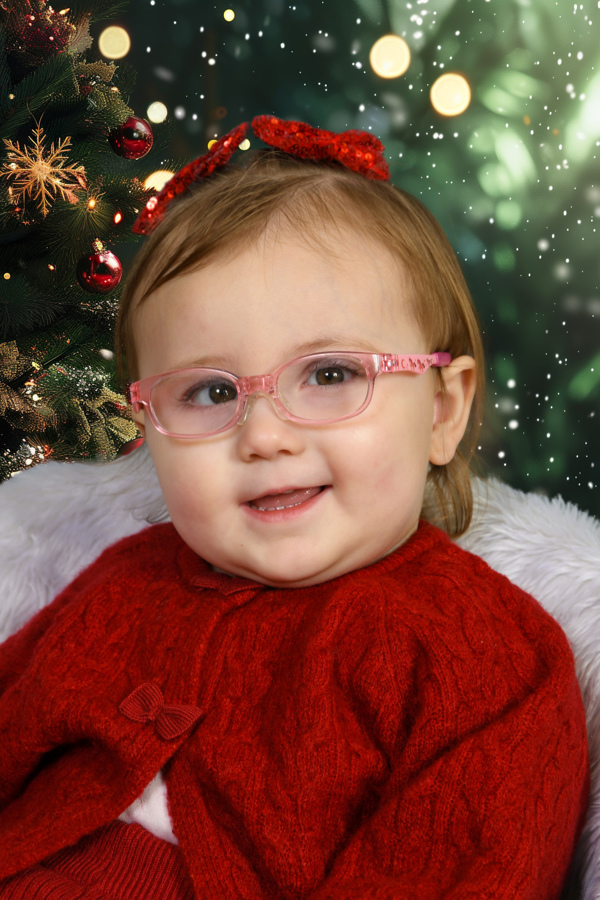
Harlow's Story
The early intervention service has given us clear guidance and practical activities to support Harlow at home. Their help has made a big difference in understanding her needs and in accessing further services. Harlow’s therapy sessions have truly been life-changing for her and for us as a family.
- Family story
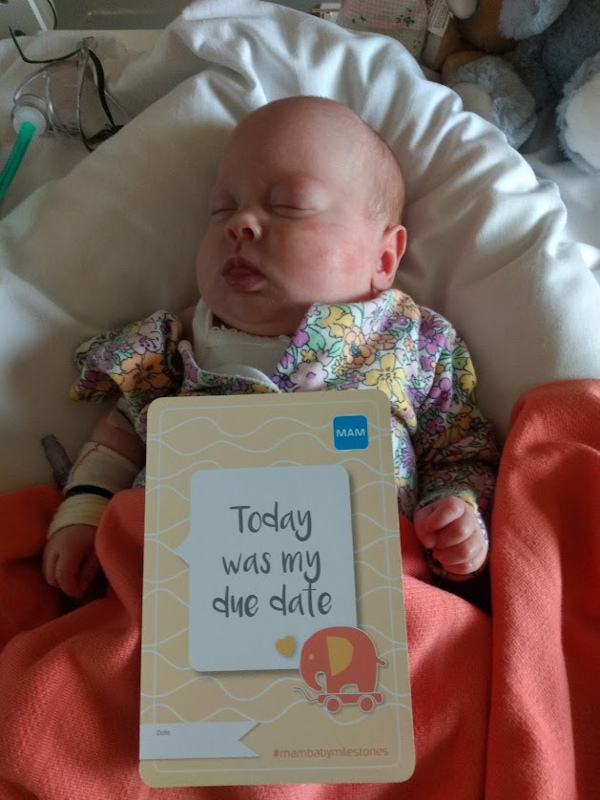
Rosie's Story
Even waiting in reception, we could see other families who were in similar situations, and we felt a sort of sense of belonging. We just felt less alone.
- Family story
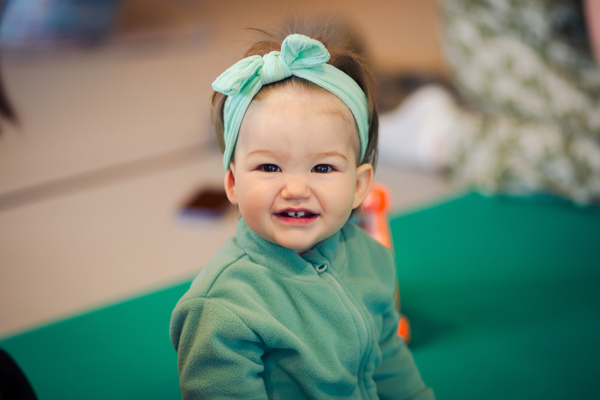
Ella's Story
The support and guidance we have received from the team at Cerebral Palsy Cymru has been excellent. Ella is currently on track with her milestones and Ella’s development is a great example of what early intervention can do.
- Family story
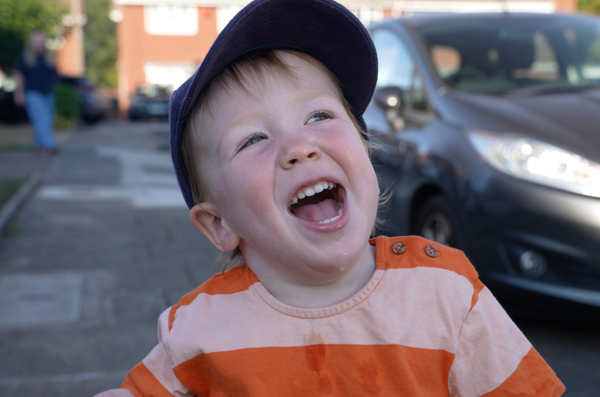
Hopcyn's story
Better Start, Better Future has given us an inclusive, understanding, supportive community, a safe place free from judgement, surrounded by families who truly understand.
- Family Story

Therapy and support for children and their families
Cerebral Palsy Cymru is a registered charity in England and Wales 1010183. A company limited by guarantee. Registered company in England and Wales 02691690. Registered address: Cerebral Palsy Cymru, 1 The Courtyard, 73 Ty Glas Avenue, Llanishen, Cardiff, CF14 5DX.